
Bespoke Embroidery
Hand embroidery involves stitching thread through fabric to create decorative patterns, text, or images. Each design is drawn or transferred to the fabric, then stitched using various techniques depending on the desired effect.
The process allows for precise control over color placement, stitch density, and texture. Different thread types create different visual effects. Cotton thread has a matte finish, silk thread has subtle sheen, metallic thread adds reflective elements.
- Custom designs based on your specifications
- Choice of thread colors and types
- Suitable for clothing, home textiles, or framed pieces
- Turnaround time varies by complexity
Knitted Garments
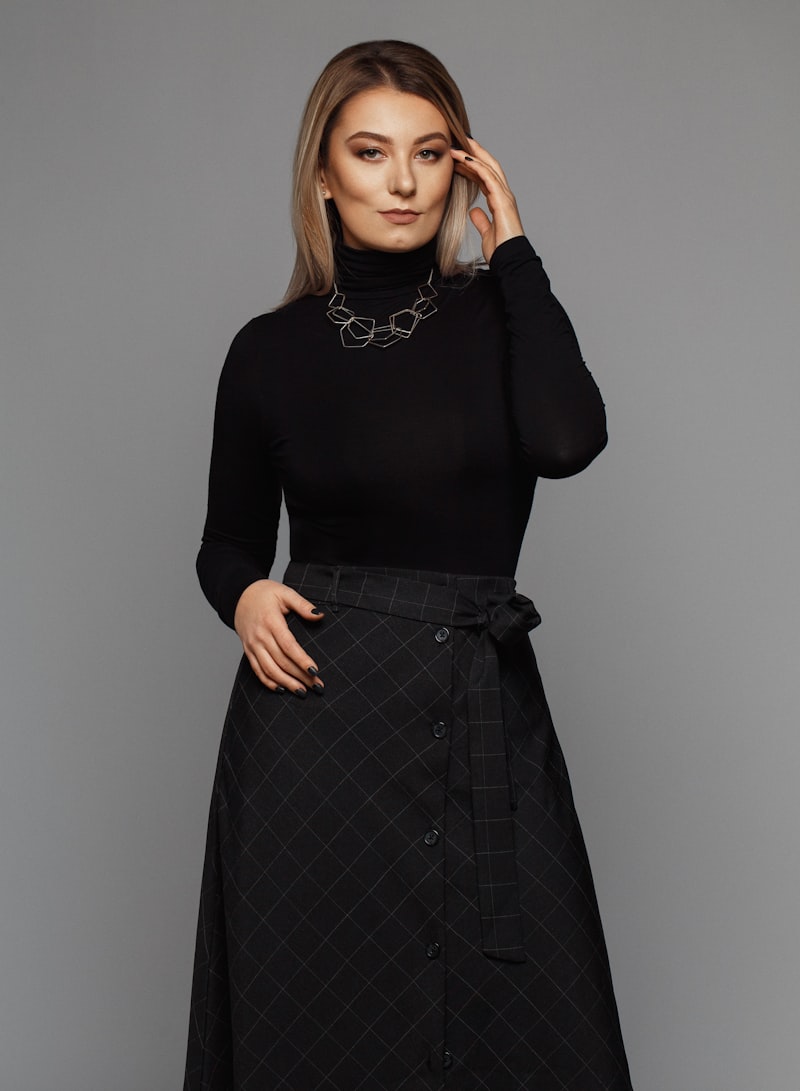
Knitting creates fabric by interlocking loops of yarn. The structure allows for elasticity and warmth. Handknitting permits adjustments during the process that machine knitting cannot accommodate.
Natural fibers behave differently when knitted. Wool has memory and insulation properties. Cotton drapes without stretch. Linen becomes softer with wear. The choice of fiber affects both the making process and the final garment's characteristics.
- Made to your measurements
- Selection of natural fiber yarns
- Custom color combinations available
- Includes sweaters, scarves, hats, and accessories
Wheel-Thrown Pottery
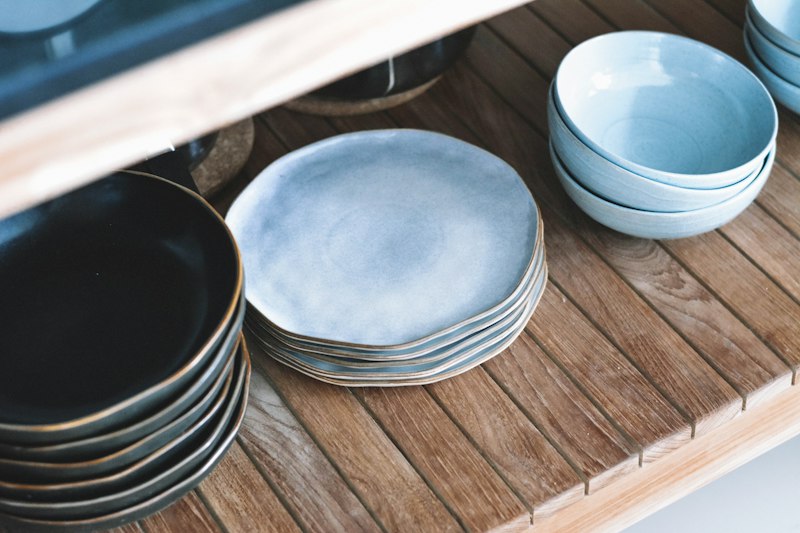
Pottery made on the wheel begins with a centered mass of clay. Pressure and movement shape it into hollow forms. The process requires responding to the clay's moisture content, plasticity, and behavior under centrifugal force.
After shaping, pieces dry slowly to prevent cracking. Bisque firing hardens the clay. Glaze application adds color and surface quality. Final firing vitrifies the glaze. The entire process takes several weeks.
- Functional pieces for daily use
- Custom sizing available for most forms
- Glaze colors can be selected from available options
- Dishwasher and microwave safe

Handwoven Textiles
Weaving interlaces two sets of threads at right angles. The warp threads run lengthwise, held under tension. The weft threads pass over and under the warp in patterns that determine the fabric's structure.
Different weave structures create different properties. Plain weave is strong and stable. Twill weave drapes well. Complex patterns emerge from systematic variation in the threading sequence.
- Custom color combinations in warp and weft
- Various widths available depending on loom capacity
- Suitable for wall hangings, table textiles, or yardage
- Natural fiber content
Leather Crafting
Leather work involves cutting, stitching, and finishing tanned hide. Vegetable-tanned leather develops a patina over time as oils from handling darken and soften the surface.
Each hide has variations in grain, thickness, and color. These variations are worked into the design rather than discarded. Hand stitching creates stronger seams than machine stitching because individual stitches can be tensioned appropriately for the leather's thickness.
- Bags, wallets, belts, and small accessories
- Vegetable-tanned leather options
- Hand-stitched construction
- Develops character through use
Natural Soap Making
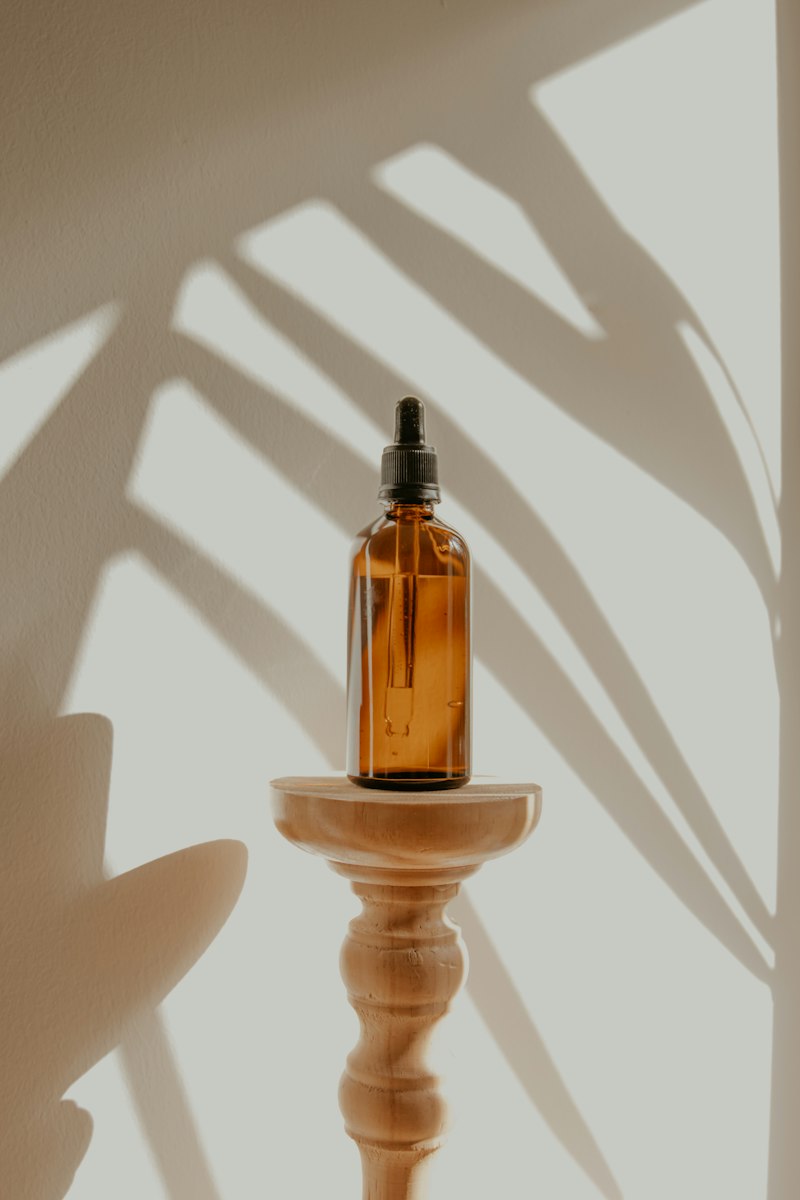
Cold-process soap making combines oils with an alkaline solution. The saponification reaction converts fats into soap and glycerin. Different oils contribute different properties to the finished soap.
Olive oil creates mild soap. Coconut oil adds lather. Shea butter contributes moisturizing qualities. Natural colorants come from clays, plant powders, and mineral oxides. Essential oils provide fragrance without synthetic additives.
- Made with plant-based oils
- Natural colorants and fragrances
- Glycerin retained in the soap
- Cures for six weeks before use