How it began
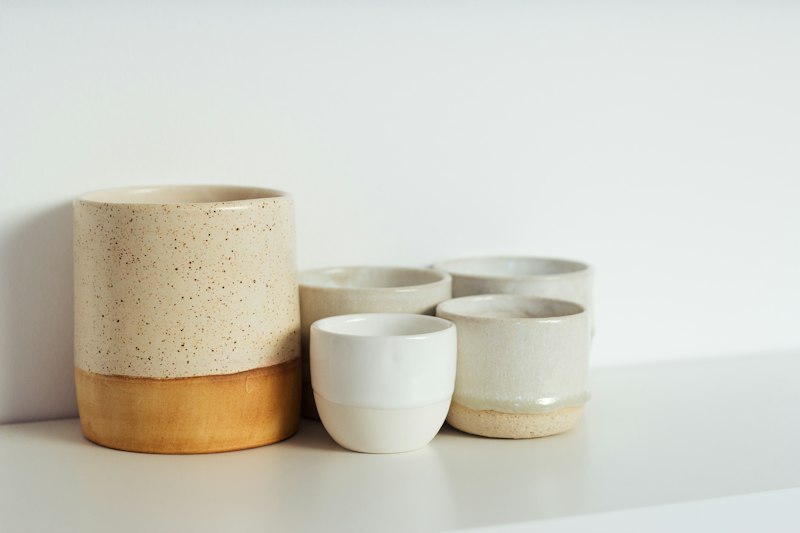
The workshop started in a converted garage in 2018. One potter's wheel, one loom, basic tools. The goal was simple: make things by hand, sell them locally, see what happened.
What happened was that people responded. Not to marketing claims or brand identity, but to the objects themselves. They could feel the difference between something made by machine and something shaped by human hands.
What drives the work
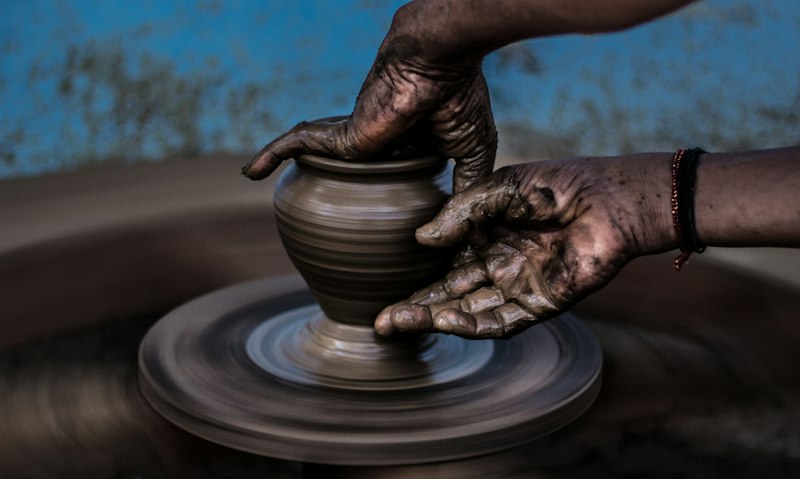
Every material has its own character. Wood splits along grain lines. Clay remembers every touch. Wool felts when agitated. Leather stretches unevenly. These are not problems to solve but properties to work with.
The process of making by hand means responding to these properties in real time. A machine executes the same movement regardless of material variation. A human hand adjusts.
Why we continue
The appeal of mass production is obvious. Consistency, efficiency, predictability. These are valuable qualities. But they come at a cost that becomes visible only when you hold a handmade object.
There is something in handmade items that cannot be quantified or replicated. Not sentiment or nostalgia, but a tangible quality that emerges from the process of making.